Breaking the Cycle: How Rising Heat is Reshaping India's Energy Future
Published on Jun 05, 2026

Across India, summers are becoming longer, hotter, and increasingly difficult to endure. Air conditioners hum through the day, fans run through the night, and electricity demand surges as millions seek relief from extreme heat. But hidden behind this growing need for cooling is a challenge that is quietly shaping India's climate future.
The more we cool, the more electricity we consume. The more electricity we consume, the more fossil fuels are burned to meet peak demand. The more fossil fuels are burned, the more emissions enter the atmosphere, further intensifying the heat that started the cycle in the first place.
This is the climate-energy trap explored in Climate Compatible Futures' report, Breaking the Cycle: Can India Escape the Heat-Power Demand Trap?
As the world marks World Environment Day this year under the theme “Inspired by Nature. For Climate. For Our Future,” it is worth reflecting on one of the most visible signals the planet is sending us - rising heat. The findings of this report remind us that climate change is not only making India hotter; it is reshaping how we consume energy and creating a cycle of rising temperatures, increasing cooling demand, and growing emissions that threatens to reinforce itself year after year.
A Decade of Rising Heat
India's summers are no longer what they used to be.
Over the last decade, temperatures have steadily climbed across much of the country. The year 2024 emerged as the hottest year recorded in India since nationwide observations began in 1901. Rising temperatures have been accompanied by more frequent and prolonged heatwaves, particularly across northern, central, and eastern India.
What was once considered an extreme weather event is increasingly becoming a recurring seasonal reality.
States such as Rajasthan, Madhya Pradesh, Delhi, Telangana, Haryana, Uttar Pradesh, Chhattisgarh, Odisha, Maharashtra, and Jharkhand have experienced hundreds of heatwave days over the last ten years. For many communities, extreme heat is no longer limited to a few days in each summer, it has become a persistent challenge affecting health, livelihoods, and daily life.
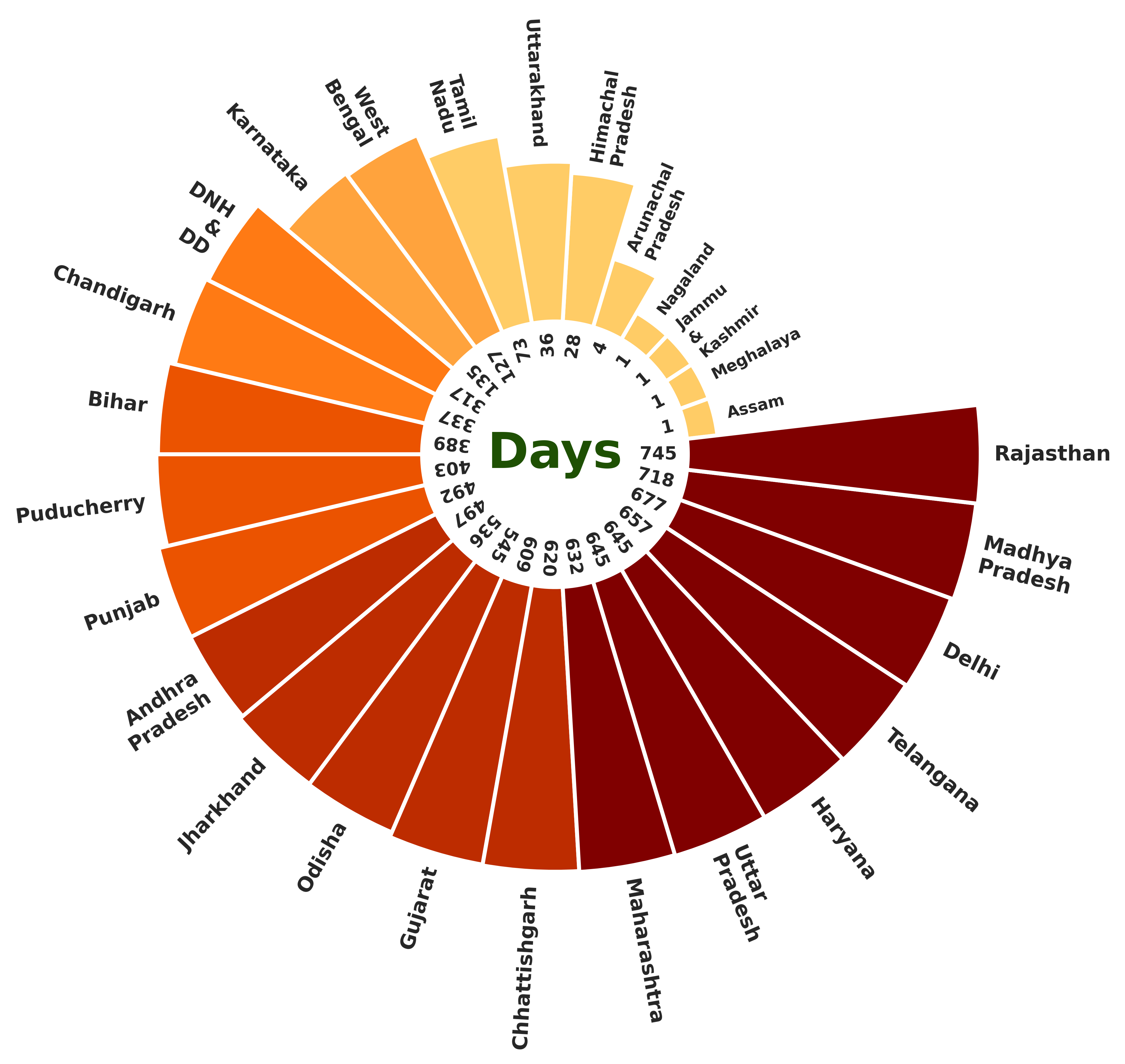
Fig. 1: Heatwave Days across Indian States (2015–2024)
The spread and intensity of heatwaves reveal a country under increasing climate stress. The regions experiencing the highest number of heatwave days are also among those witnessing growing pressure on electricity systems.
And that connection is becoming harder to overlook.
The Heatwave-Electricity Connection
As heatwaves become more frequent and intense, the demand for electricity rises concurrently . As homes, offices, hospitals, and businesses depend more heavily on cooling appliances, electricity consumption rises sharply. Air conditioners, coolers, refrigeration systems, and ventilation equipment all place additional pressure on the grid.
Over the past decade, many Indian states have witnessed dramatic increases in peak electricity demand. States such as Bihar, Jharkhand, Uttar Pradesh, and Telangana have recorded among the highest growth rates, while demand in several other states has risen by more than 70 percent.
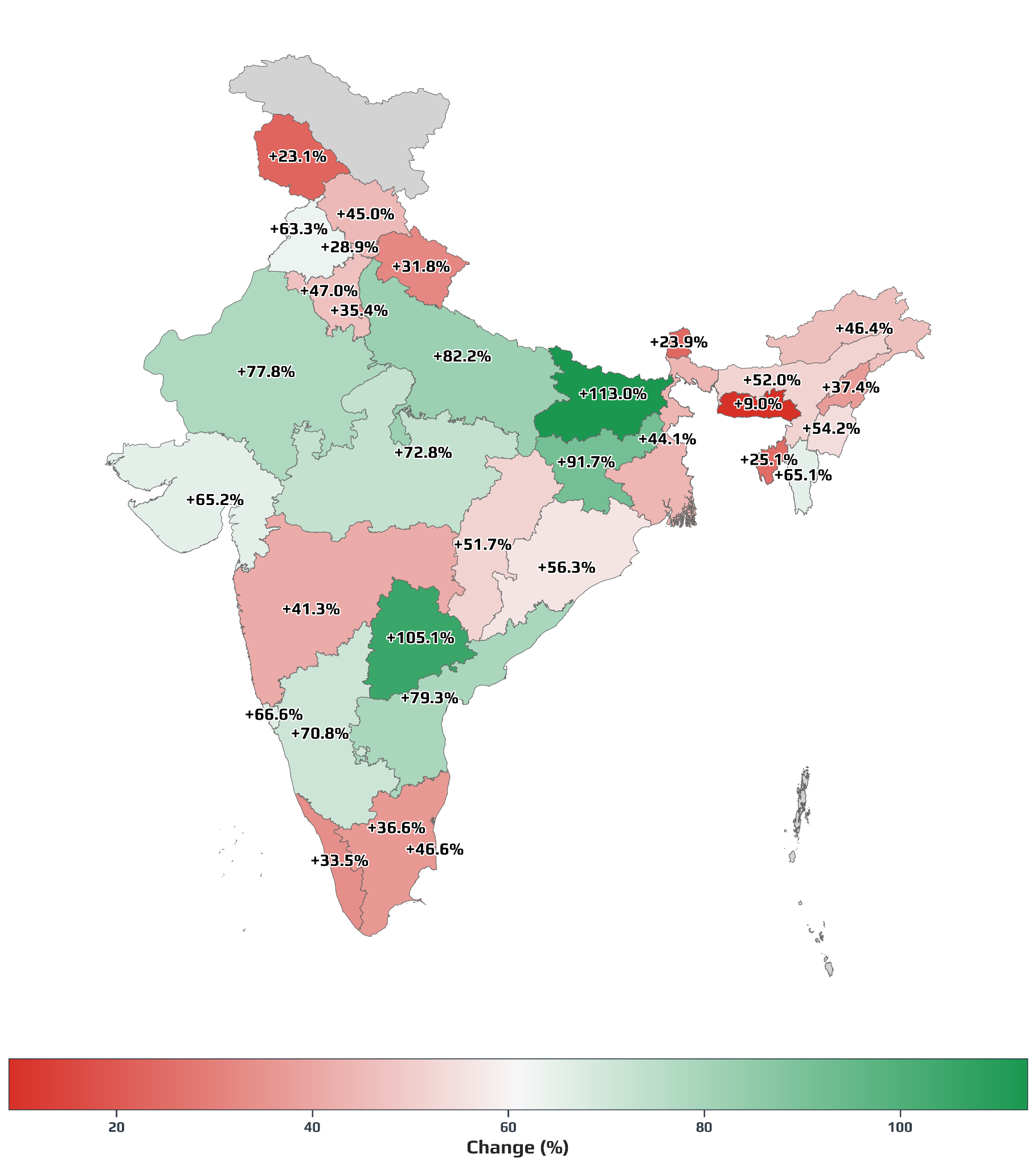 Fig. 2: Decadal Change in Annual Peak Electricity Demand
What is particularly concerning is that heatwaves are no longer causing occasional spikes in electricity use. They are rapidly becoming a structural driver of demand growth year on year.
Recent summers have repeatedly pushed India's electricity system to new records. Peak demand has crossed historic thresholds as cooling needs continue to rise across urban and rural areas alike.
The challenge is especially visible during the summer months of April, May, and June, when electricity systems face the combined pressure of economic activity, urbanisation, and extreme weather.
Meeting Demand Comes at an Environmental Cost
Rising electricity demand would not necessarily be a climate concern if it were met entirely through clean energy.
However, India's power system continues to rely heavily on fossil fuels, particularly during peak demand hours. In May 2026, peak power demand crossed 270 GW, with thermal power contributing nearly 62% of the electricity supply, according to the Ministry of Power, Government of India.
While renewable energy capacity has expanded rapidly over the last decade, coal remains the foundation of electricity generation during peak-demand hours. During heatwaves, the rising demand for cooling places additional pressure on the grid, often leading to greater reliance on fossil fuel-based power plants.
This reliance is reflected in the country's emissions trends.
Several states have witnessed significant increases in emissions from fossil fuel-based power generation over the past decade. The trend becomes even more pronounced during summer months, when heatwaves intensify cooling demand and electricity generation rises accordingly.
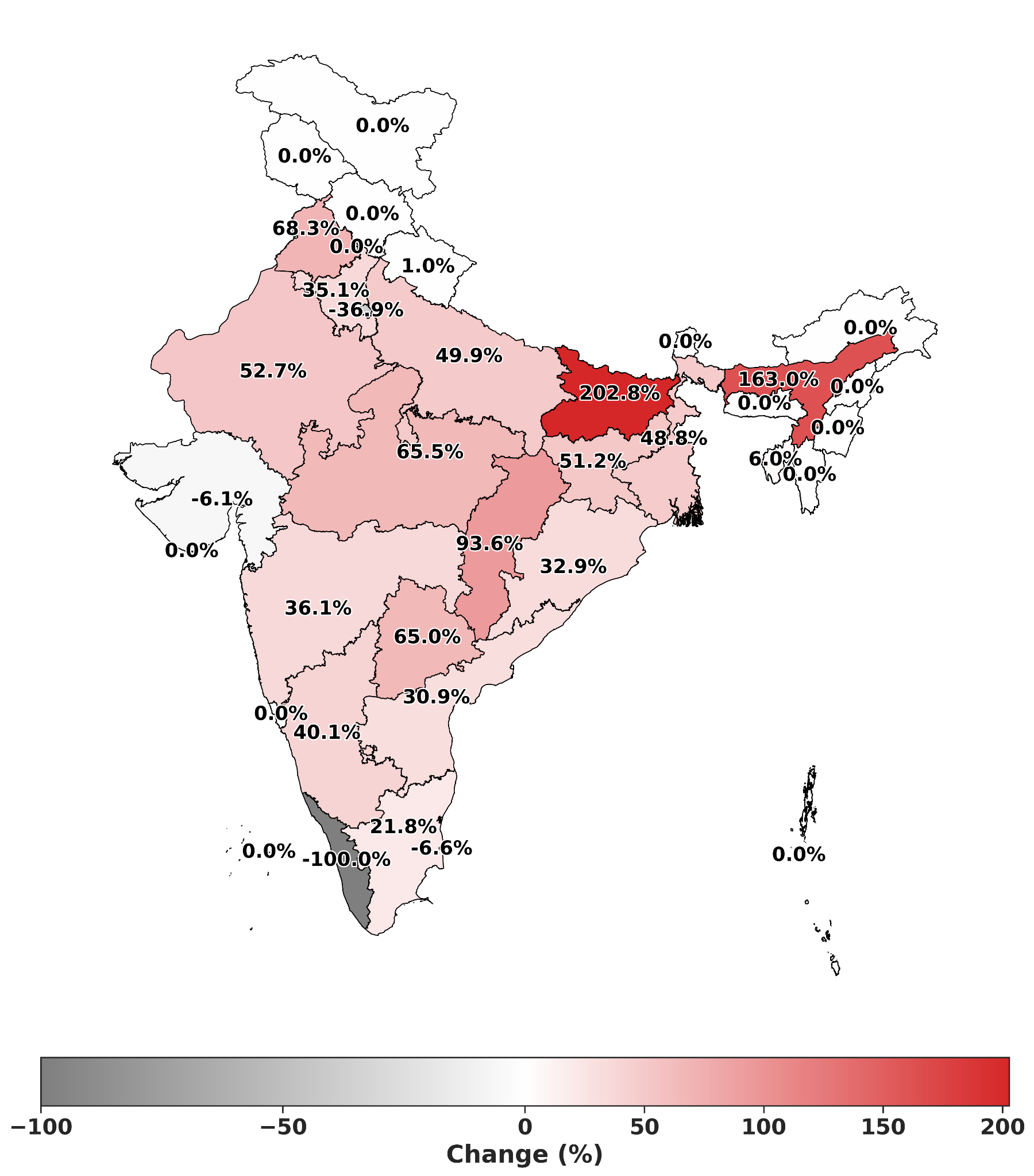 Fig. 3: Decadal Change in Annual Emissions from Fossil Fuel-Based Power Generation
The report finds that eastern and central states show among the highest growth in power-sector emissions, highlighting the continued dependence on fossil-fuel generation in regions facing growing electricity demand.
A Vicious Cycle in Motion
Viewed together, these trends tell a powerful story
- Rising temperatures are driving more frequent and intense heatwaves.
- Heatwaves are increasing the demand for cooling.
- Growing cooling demand is pushing up electricity consumption.
- Much of this demand is still being met through fossil fuel-based power generation.
- The resulting emissions contribute to further warming.
- And that warming sets the stage for even more extreme heat in the future.
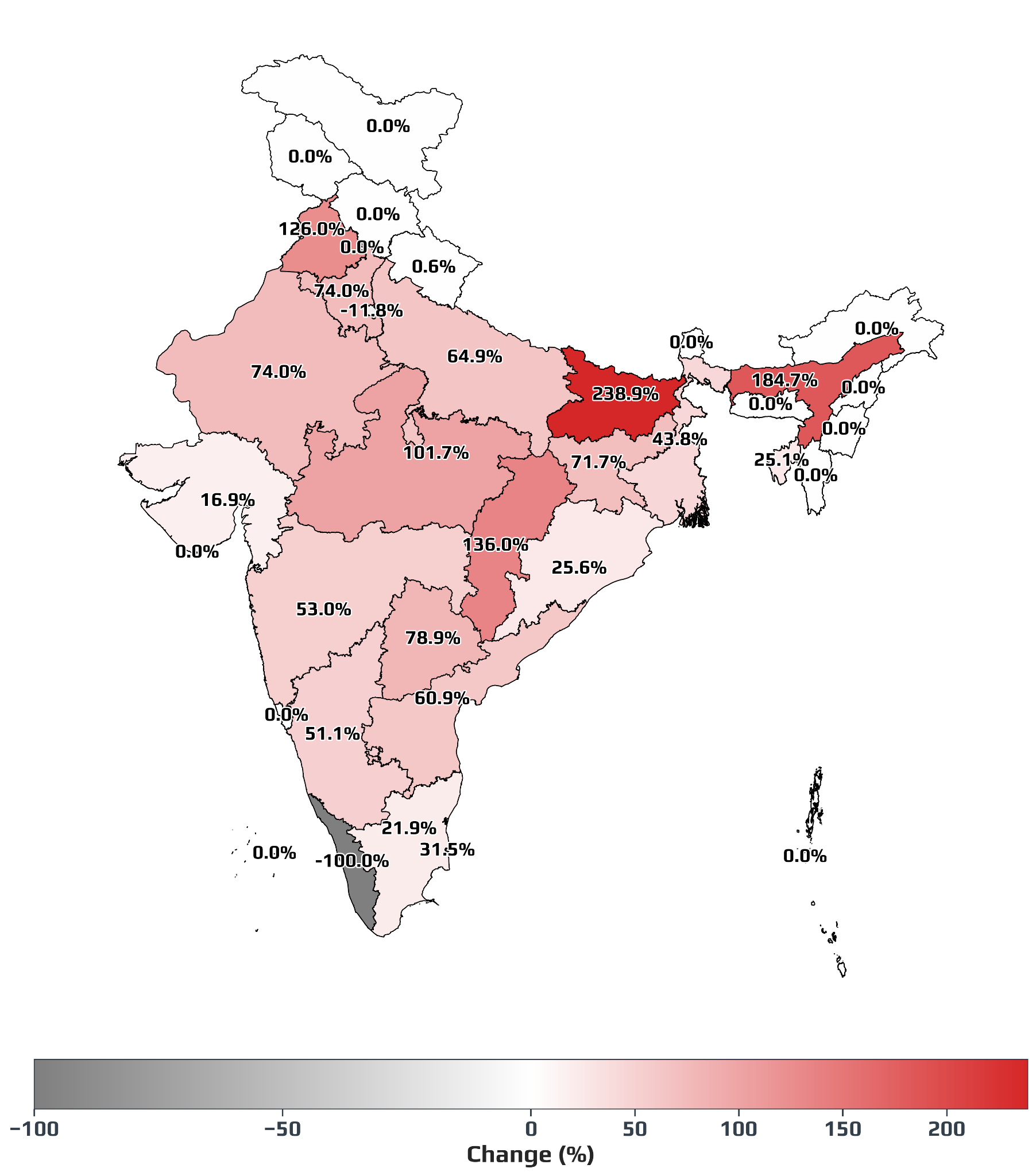
Fig. 4: Decadal Change in Summer Emissions from Fossil Fuel-Based Power Generation
The report refers to this as India's emerging heat-power demand trap, a self-reinforcing cycle in which climate change and energy demand continuously feed into one another.
Breaking this cycle will require more than simply adding new power generation capacity. It will require rethinking how India cools its buildings, society, and cities.
Why Sustainable Cooling Must Become a Priority
Cooling is no longer a luxury. For millions of people, especially vulnerable populations exposed to extreme heat, access to cooling can be a matter of health and survival. The challenge is ensuring that cooling needs are met without locking India into higher emissions and greater climate risk.
This is where sustainable cooling solutions become critical. Cool roofs, energy-efficient buildings, urban green infrastructure, shaded public spaces, passive cooling designs, solar-powered cooling infrastructure, and energy-efficient appliances can all help reduce cooling demand while improving resilience to heat.
At the same time, expanding renewable energy generation, energy storage, and demand-side management can help to ensure that growing electricity demand does not automatically translate into higher emissions.
Sustainable cooling offers a rare opportunity to address both adaptation and mitigation simultaneously. It can protect people from extreme heat while reducing pressure on electricity systems and lowering emissions.
Breaking the Cycle
World Environment Day reminds us that environmental challenges are rarely isolated.
What may appear to be separate challenges are, in reality, deeply connected. Rising heat, growing electricity demand, increasing emissions, urban resilience, public health, and energy security are all part of the same story.
India's challenge is not simply to generate more electricity. It is to build a future where rising temperatures do not automatically lead to rising emissions.
The findings of Breaking the Cycle: Can India Escape the Heat-Power Demand Trap? show that the choices made today, on urban cooling, energy planning, renewable integration, and climate resilience, will shape how effectively the country responds to a warming future.
The cycle is already visible. The opportunity now is to break it.
Download Details
Please fill in your details to download Breaking the Cycle: How Rising Heat is Reshaping India's Energy Future.